
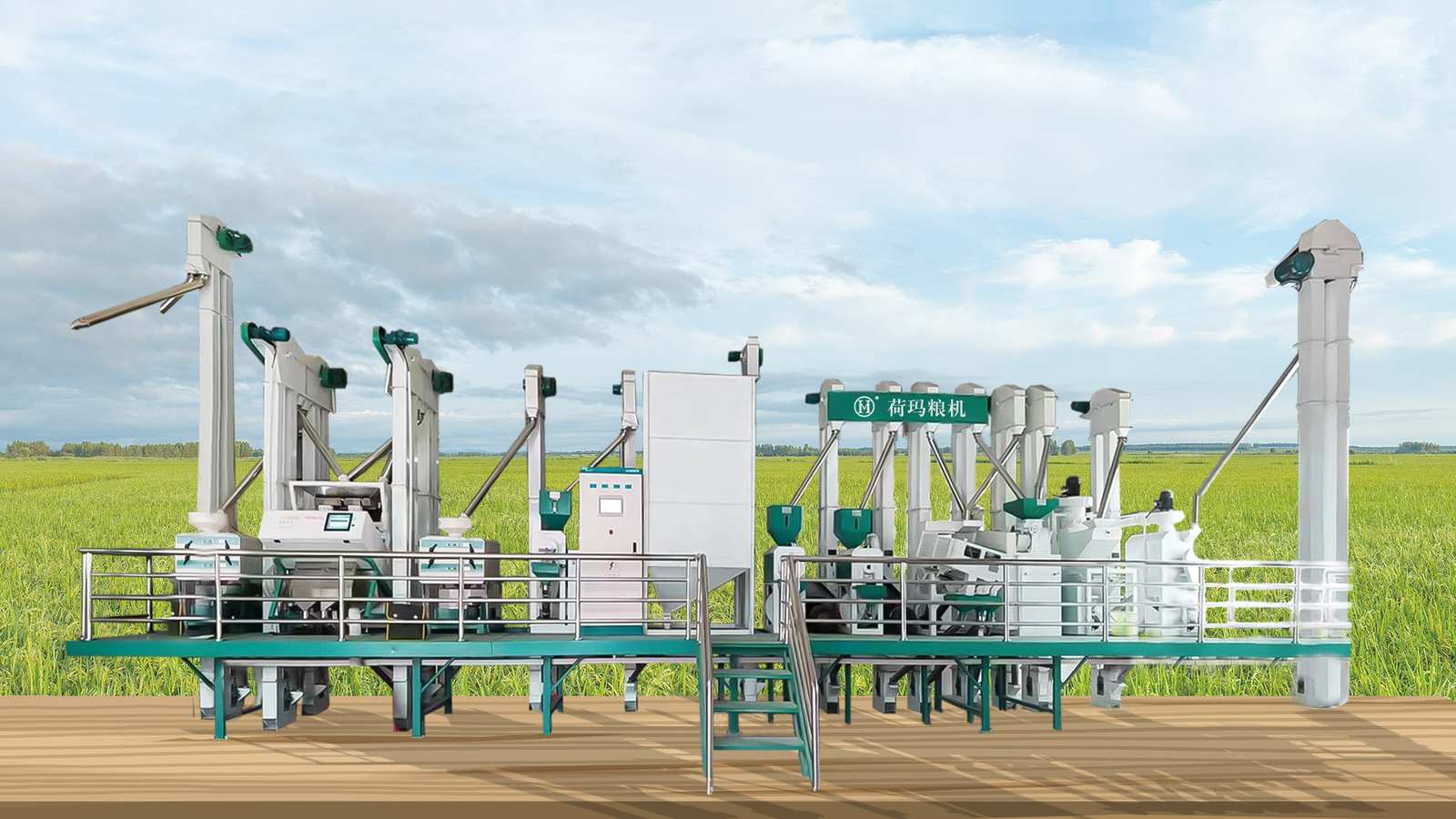
The Evolution of Rice Milling
In today’s rice industry, automation and efficiency define competitiveness.
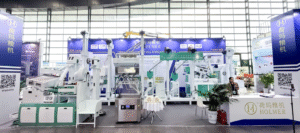
A complete rice milling line integrates all key processes — from paddy cleaning to final packaging — into a continuous, fully automated system.
This not only ensures high rice yield and quality but also reduces labor, power, and operational costs.
Let’s walk through the entire process, step by step. 👇
Step 1: Paddy Cleaning & De-Stoning
Before milling begins, raw paddy must be cleaned thoroughly to remove:
Dust
Stones
Straw and husks
Metal particles
The vibrating cleaner and destoner are the first line of defense to protect downstream machines from damage.
Clean paddy = higher efficiency + longer machine lifespan.
Step 2: Husking (Dehusking Machine)
The cleaned paddy enters the rubber roll husker, which removes the husk using friction between two rollers.
Proper husking is crucial — too tight, and rice breaks; too loose, and husks remain.
Modern huskers include automatic pressure control and suction separation, ensuring consistent dehusking with minimal breakage.
3: Paddy Separator
After husking, the mixture contains both brown rice and unhusked paddy.
A paddy separator separates these based on density and surface friction.
This step ensures that only brown rice moves to the whitening stage, maximizing yield and minimizing energy waste.
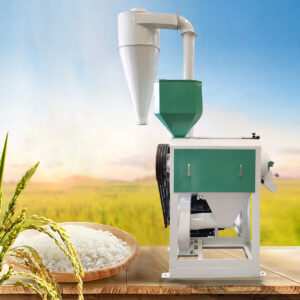
4: Whitening (Rice Milling Machine)
The rice milling or whitening machine removes the bran layer from brown rice to produce white rice.
Advanced models use abrasive or friction rollers with air suction cooling, which:
Maintain rice temperature below 40°C
Reduce broken rice
Enhance whiteness and texture
Some lines include double-stage whitening for export-grade rice quality.
5: Water Mist Polishing Machine
To give rice its final glossy finish, a water mist polisher sprays ultra-fine water mist while gently buffing the rice surface.
This makes the rice brighter, smoother, and more visually appealing, improving export value and consumer satisfaction.
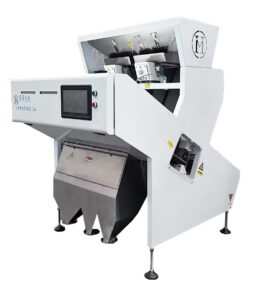
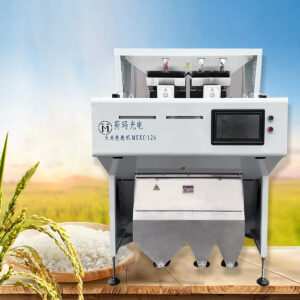
6: Color Sorting (Optical Sorter)
Even after polishing, small defects or discolored grains may remain.
A rice color sorter equipped with CCD cameras and AI image processing scans each grain and removes:
Yellow or black rice
Chalky kernels
Impurities (stones, glass, etc.)
Sorting accuracy reaches 99.9%, ensuring premium-grade final output.
7: Grading (Rice Grader)
The rice grader separates the finished white rice into different grades based on grain size and length:
Head rice
Broken rice
Small fragments
This helps millers target different market segments — from premium rice for export to broken rice for local feed industries.
8: Electronic Weighing & Packaging
The final product passes to an automatic electronic packaging scale.
This system precisely weighs and fills bags (from 5kg to 50kg), seals them automatically, and prints batch codes.
Some advanced lines use vacuum rice packaging machines, which extend shelf life and improve visual appeal.
Integrated Control System
A PLC (Programmable Logic Controller) or smart control panel monitors the entire production line.
It allows:
Real-time data tracking
Automatic fault detection
Touchscreen operation (English available)
This makes operation simple, intelligent, and efficient — even for non-technical users.
Advantages of a Complete Rice Milling Line
✅ High Efficiency: Continuous flow process reduces downtime.
✅ High Yield: Up to 74–76% rice recovery rate.
✅ Consistent Quality: Automated control ensures stable performance.
✅ Labor Saving: One operator can manage the entire line.
✅ OEM Support: Customized layout for different production capacities (10–100TPD).
A complete rice milling line is more than a set of machines — it’s a smart production ecosystem.
By combining advanced cleaning, milling, polishing, and sorting technologies, rice mill owners can achieve:
Higher yield
Better quality
Lower costs
And greater market competitiveness
If you’re planning to build or upgrade your rice milling plant, choosing a fully automated integrated solution is the best investment for long-term growth.