
The Rise of Intelligent Rice Sorting
As rice demand grows globally, millers face higher expectations for quality, purity, and efficiency.
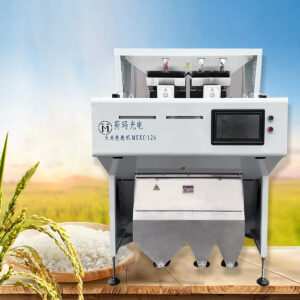
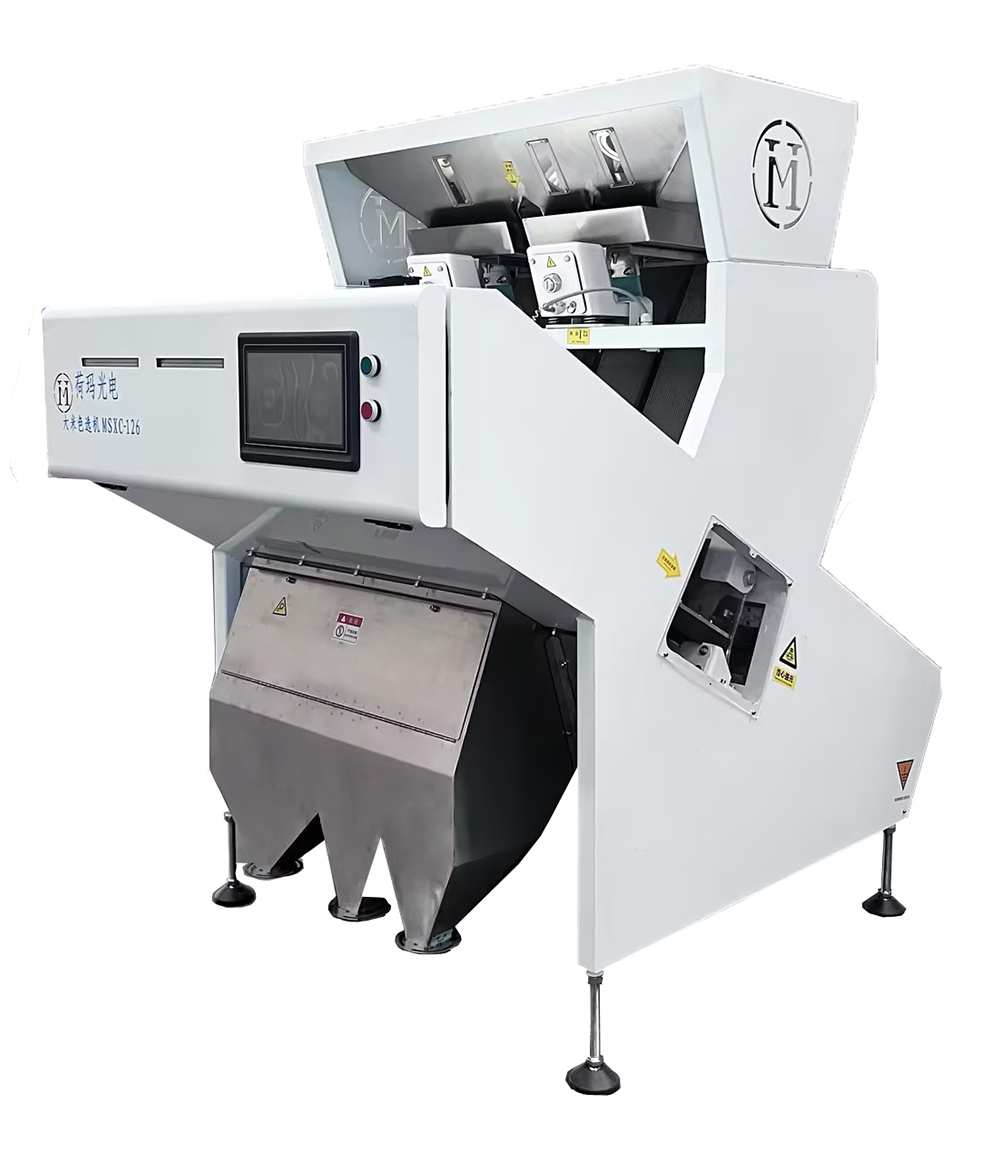
Traditional color sorters rely on static image recognition — but with the rise of Artificial Intelligence (AI), rice sorting has entered a new era of self-learning precision.
AI-driven rice color sorters can analyze millions of grain images, recognize defects more accurately, and continuously improve sorting performance without manual recalibration.
What Makes AI Rice Sorters Different?
Unlike conventional systems that depend on fixed color thresholds, AI rice color sorters use deep learning algorithms trained on massive image datasets.
They can recognize patterns and subtle defects that older models often miss.
| Comparison | Traditional Sorter | AI-Powered Sorter |
|---|---|---|
| Defect Detection | Based on static color differences | Learns from shape, texture, and color |
| Adaptability | Needs manual adjustment | Auto-calibration via AI feedback |
| Accuracy | 97–98% | Up to 99.99% |
| Operation | Requires expert setup | Simple, intelligent one-click operation |
| Maintenance | Frequent tuning | Self-optimizing with AI software |
How AI Improves Sorting Precision
AI color sorters combine high-resolution cameras, multi-spectral sensors, and neural network algorithms to detect minute differences in:
Grain color and brightness
Surface texture and cracks
Chalky or immature rice grains
Contaminants (stones, plastics, black rice, etc.)
The system learns to differentiate “bad” rice from “good” rice through continuous data feedback — much like how humans learn to recognize patterns, but much faster and more consistently.
Key Technical Components of an AI Rice Color Sorter
| Component | Description |
|---|---|
| AI Vision Module | Captures and analyzes each grain’s optical signature |
| Neural Network Processor | Interprets grain characteristics in real time |
| Smart Ejector System | Removes defective grains with precision air-jets |
| Cloud Learning Platform | Updates sorting models via remote AI training |
| User Dashboard | Displays defect statistics and real-time yield data |
These components create a fully automated and intelligent workflow, reducing human intervention and operational cost.
Advantages for Rice Mill Owners
✅ Higher Sorting Accuracy: Near-zero contamination in final product.
✅ Lower Labor Cost: One operator can manage the entire line.
✅ Data Insights: Defect ratios and production reports accessible anytime.
✅ Adaptability: AI adjusts to different rice varieties automatically.
✅ Brand Reputation: Consistent quality enhances export competitiveness.
Case Study: How AI Sorting Boosted Yield by 3%
A 30-ton/day rice mill in Southeast Asia replaced its old color sorter with an AI-powered model.
After two months of operation, the factory achieved:
3% higher yield
20% less defective rice in the output
40% reduction in manual adjustment time
This resulted in a significant increase in profit and consistency for export batches.
AI is redefining what’s possible in rice processing.
By adopting AI-powered rice color sorters, mill owners not only improve rice quality and yield but also prepare for the next wave of smart manufacturing.
Those who upgrade early will stand out in the competitive global rice market.