
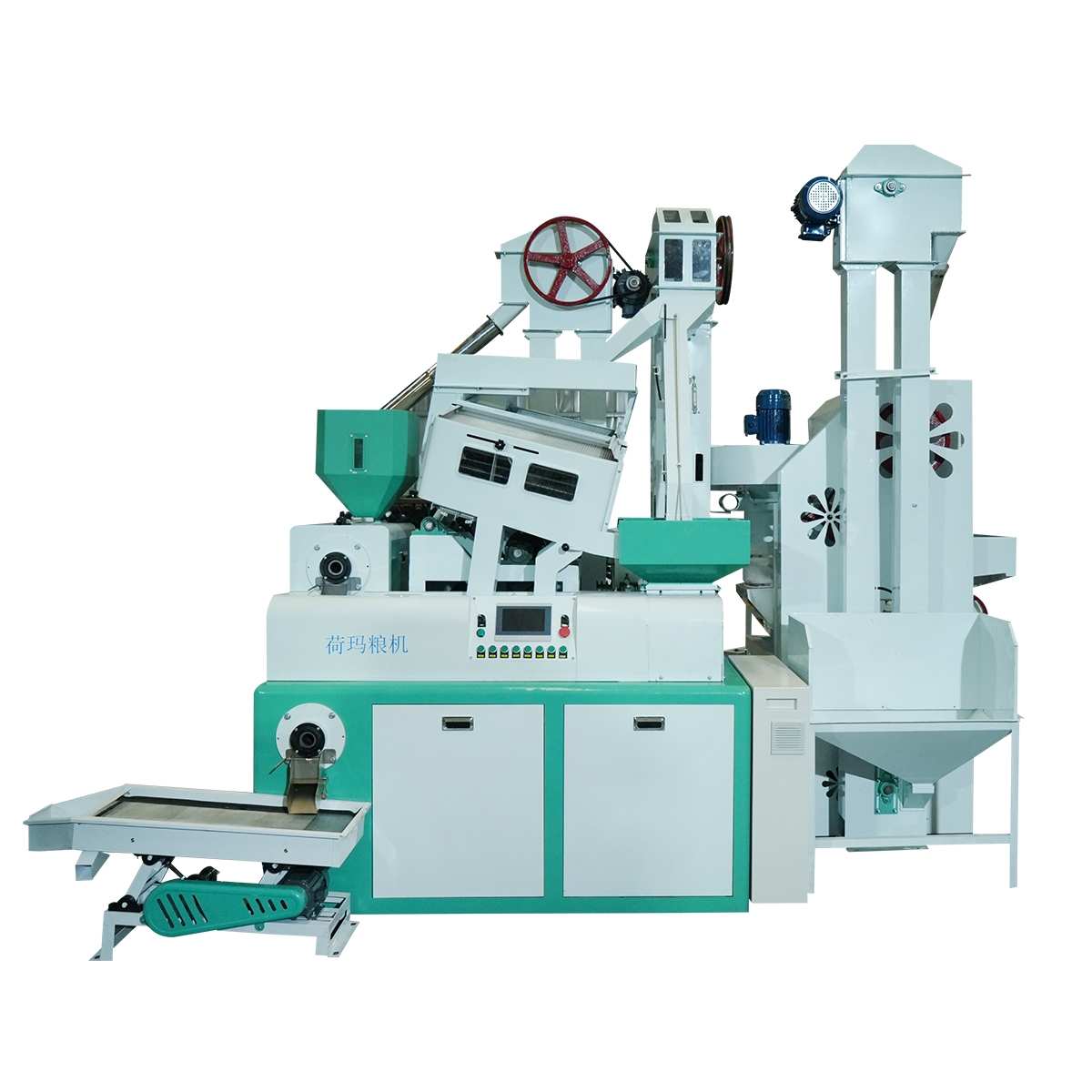
Introduction: Why Rice Milling Business Is Still Profitable in 2025
Rice is one of the most consumed staple foods in the world, especially in Asia, Africa, and Latin America. With growing population and rising demand for quality rice, the rice milling business remains a profitable and stable investment in 2025.
Whether you’re a farmer, trader, or entrepreneur, setting up a rice mill can bring long-term returns if done with the right equipment and planning.
Step 1: Understand the Rice Milling Process
Before starting, it’s important to understand how paddy is converted into white rice. The process includes:
Cleaning and De-stoning – Removing impurities and stones from raw paddy.
Husking – Separating husk from rice grains.
Whitening / Polishing – Improving surface brightness and quality.
Color Sorting – Eliminating discolored or broken grains.
Grading & Packaging – Sorting rice into grades and packing it for sale.
Step 2: Estimate the Investment Cost
The cost of setting up a rice mill depends on production capacity and automation level.
| Plant Type | Capacity | Estimated Investment |
|---|---|---|
| Small rice mill | 10–20 tons/day | $10,000 – $25,000 |
| Medium rice mill | 30–50 tons/day | $30,000 – $80,000 |
| Fully automatic line | 60–100 tons/day | $100,000+ |
💡 Tip: Start small with a 15–60TPD rice mill, and expand capacity as market demand grows.
Step 3: Choose Reliable Rice Milling Machines
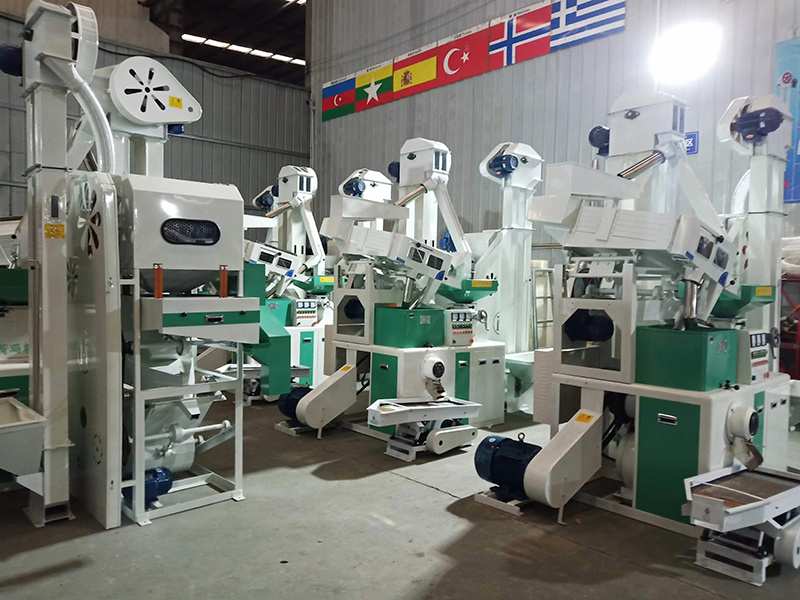
Selecting the right equipment is key to efficiency and quality.
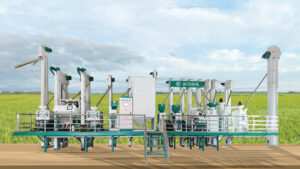
A complete rice milling line usually includes:
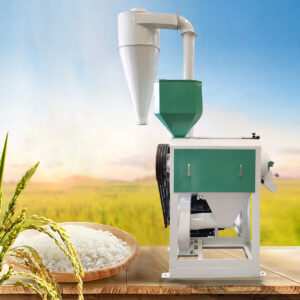
Combined Rice Milling Machine – For husking and whitening.
Water Mist Polishing Machine – Enhances rice shine and export-grade quality.
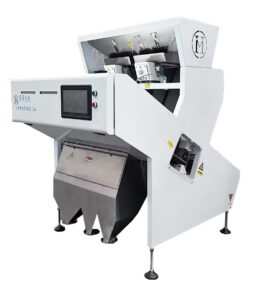
Rice Color Sorter Machine – Removes black, red, or defective grains.
Rice Grading Sieve – Classifies rice by size and quality.
Electronic Packing Scale / Vacuum Packing Machine – For precision packaging.
Our company provides ISO & CE certified rice milling equipment with OEM support and 15-day fast delivery.
👉 Explore more: Rice Polishing Machine | Rice Color Sorter
Step 4: Find a Suitable Location and Power Supply
Choose a location close to paddy farms or local markets to reduce transportation costs.
Ensure stable electricity and water supply, and sufficient space for machine installation, usually 800–1500㎡ for a small rice mill plant.
Step 5: Hire Skilled Operators and Maintenance Staff
Even with automated machines, you’ll need trained staff for operation, maintenance, and quality control.
Our factory offers training videos and on-site installation guidance to help you start production smoothly.
Step 6: Market Your Rice Products
To maximize profit, focus on brand building and packaging:
Offer clean, shiny, export-grade rice.
Use vacuum or branded packaging to attract buyers.
Connect with local wholesalers, supermarkets, and export traders.
Promote your mill on Google, Facebook, TikTok, and WhatsApp.
Step 7: Maintain and Upgrade Your Equipment Regularly
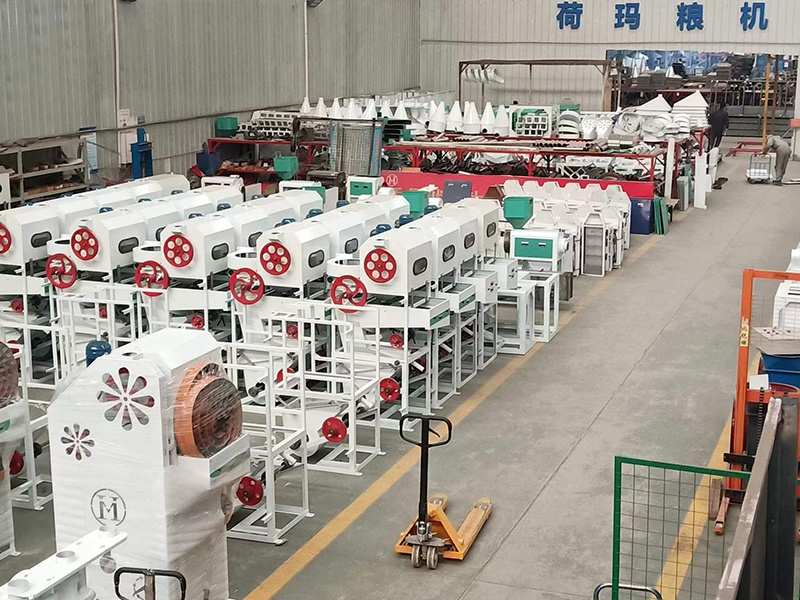
Well-maintained machines improve yield and reduce downtime.
Replace worn parts, clean filters, and schedule professional service every 6 months.
Frequently Asked Questions (FAQ)
Q1: How much rice can a 20TPD rice mill produce per day?
👉 It can process about 20 tons of paddy, producing 14–15 tons of white rice daily.
Q2: How long does it take to install a rice mill line?
👉 Normally within 15–20 days after delivery.
Q3: Can I customize my rice milling plant layout?
👉 Yes, we offer OEM & layout design services based on your site and capacity.
Start Your Rice Mill Business Today
Starting a rice mill business in 2025 is a great opportunity — especially in rice-growing countries.
With the right equipment, proper planning, and strong marketing, you can build a profitable rice processing business that lasts for decades.